Skip to content

Evaristo joined us on a Psychology and Mental Health Programme in Ghana last June and has shared the wonderful details of his time with us! Read on to find out how he got on in the general and psychiatric hospitals, child development work and enjoying the beauty of Ghana.
Arriving In Ghana, Settling In, and Meeting the Other Volunteers
When I arrived in Ghana, I felt excited and curious about the experience ahead. The first thing that stood out was how welcoming and friendly the people were. I was also interested in seeing the culture, daily life and surroundings. Some of the living conditions surprised me because they were different from what I am used to, but I was impressed by the positivity, kindness and strong sense of community. My first days made me more interested in learning about the country and understanding the people I would be working with. Before I left, I expected to develop practical skills, learn more about mental health work and gain experience in different settings. I felt mostly prepared and had enough information about the placement.
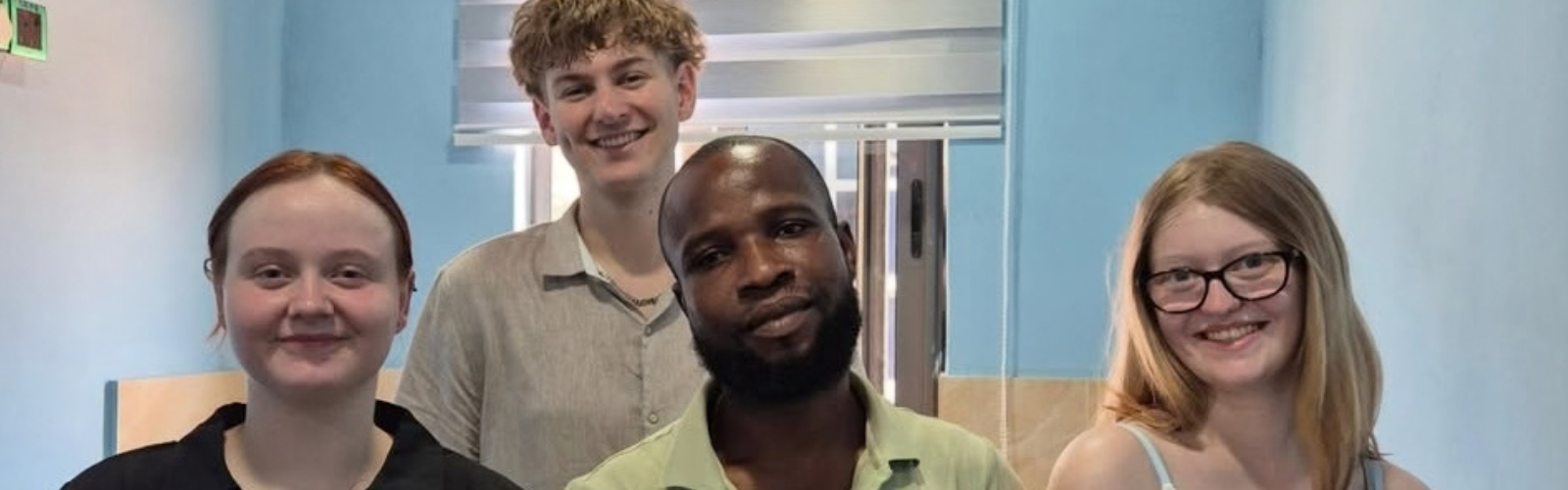
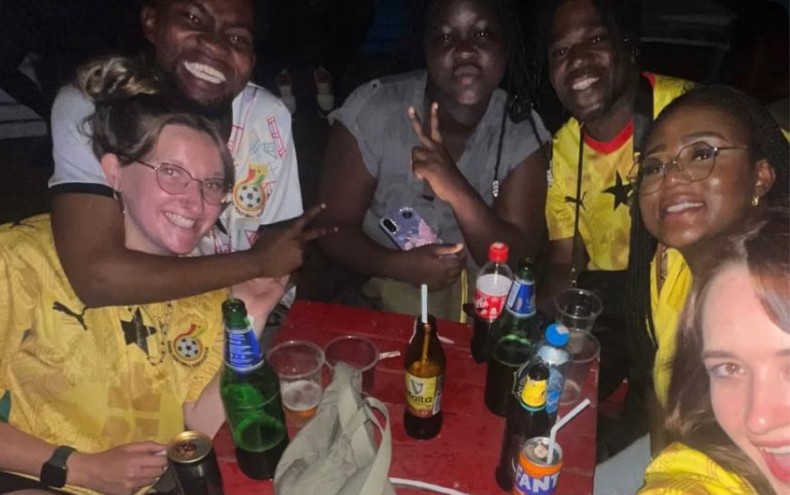
I found the accommodation comfortable and welcoming. Settling in was easy and smooth, and I quickly started to feel comfortable in the new environment. The support from the people around me also helped me adjust. My first impression was that the organisation involved different types of placements and responsibilities. I was interested in understanding how the programme worked, what would be expected from me, and how I would adapt to working in hospitals, the community, and with children. Overall I worked well and got along with the other volunteers. We supported each other during the activities and worked together to help the children take part.
Taking Part In Psychology and Mental Health Work
During my mental health placements, I worked in different hospital settings, where I observed mental health consultations, learned how assessments are carried out and gained experience using Mental State Examinations. I was involved in observing and discussing a range of cases under the supervision of qualified professionals. These included anxiety, panic attacks, trauma, depression, low self-esteem, difficulties managing anger and criticism, epilepsy, and dementia.
At the first general hospital, I was supported by Miss Rosemary, the clinical psychologist, who allowed me to observe therapy sessions and helped me understand the cases being discussed. At the other general hospital, Mr Alex and Miss Esther supported me by teaching me about assessments, mental health conditions and the Mental State Examination. My time at the health clinics was very interesting and gave me my first experience of seeing mental health care in practice. I observed consultations and therapy sessions, learned how professionals assess patients and discussed different mental health conditions and case studies. When there were no patients available, some staff helped by teaching us about mental health conditions, discussing case studies or showing us other parts of the hospital.
This helped me understand that mental health care involves working with different professionals and considering both a person’s psychological and physical health. The experience helped me connect what I had learned during my psychology degree with real situations.
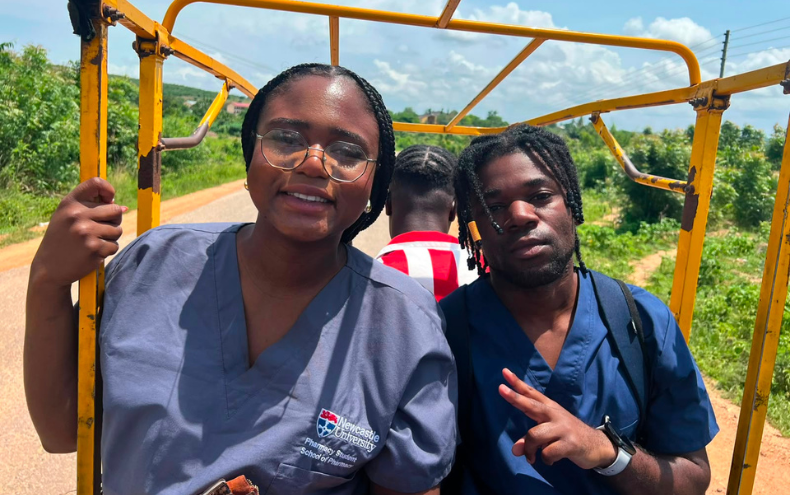
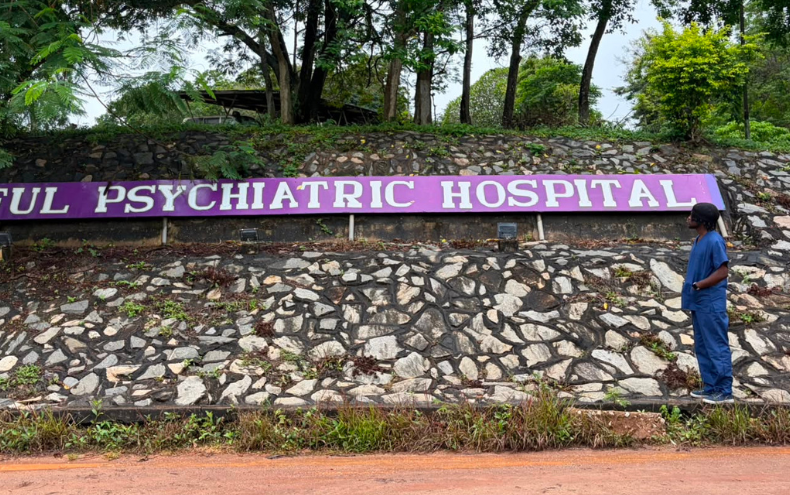
At the psychiatric hospital, we had more freedom to visit different wards, ask questions and take more responsibility for our learning. Here, I was also exposed to more serious mental health conditions, including psychosis, schizophrenia and substance addiction. I joined ward rounds, spoke with patients, developed my knowledge on how to complete a Mental State Examination and practised planning interventions using the SMART method.
At the psychiatric hospital, I was supported by Miss Ofelia and other members of the mental health team. Miss Ofelia taught us how to complete a Mental State Examination, and I also had the opportunity to observe therapy sessions and learn from staff across the different wards. I visited all the wards during my placement, including the male, female and addiction recovery wards. I did not have one main ward, as I had the opportunity to observe different areas. However, I spent slightly more time in the ward supporting patients recovering from alcohol and drug addiction through Alcoholics Anonymous and Narcotics Anonymous programmes. This hospital placement was the most educational part of my programme. Observing therapy sessions, discussing real cases and learning how to complete a Mental State Examination showed me how psychological knowledge is used in practice. I also learned how the SMART method can support intervention planning. I observed Cognitive Behavioural Therapy and other therapy sessions, learned about patient assessments, discussed mental health conditions and worked through case studies. I also prepared and delivered a presentation about epilepsy, including its causes, symptoms, triggers and treatments.
Child Development, Mental Health and Wellbeing
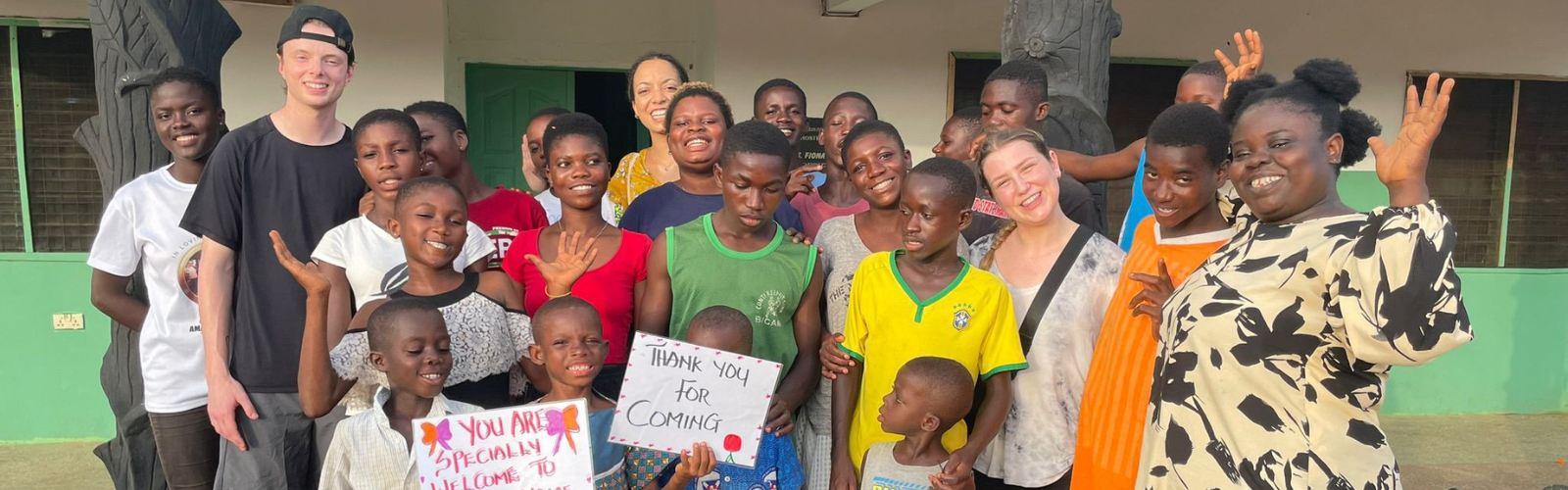
I also had the opportunity to work with children and young people at a Children’s Foundation. My time here was one of the most meaningful parts of the programme.
I helped with activities about self-esteem, peer pressure, communication, public speaking and emotional wellbeing. I enjoyed getting to know the children, building a connection with them and becoming involved in their daily lives. What stood out most was the trust and affection they showed, and how important it was to make each child feel noticed, valued and included. The children were welcoming, energetic and eager to take part. I learned that every child is different, and some need more time, encouragement and individual attention before they feel comfortable. Spending time with them developed my communication skills, confidence and especially my patience to a completely new level, even though I already consider myself a calm and patient person. It also helped me become more confident working not only with children and young people, but alongside adult carers and staff.
During the child development placement, I worked with children and young people who had different emotional, social and developmental needs. Some were confident and expressive, while others were shy, reserved or needed more encouragement and individual attention. I supported activities focused on self-esteem, emotions, peer pressure, communication and wellbeing. This taught me how important it is to build trust, listen carefully and adapt the way I communicate depending on each child’s needs.
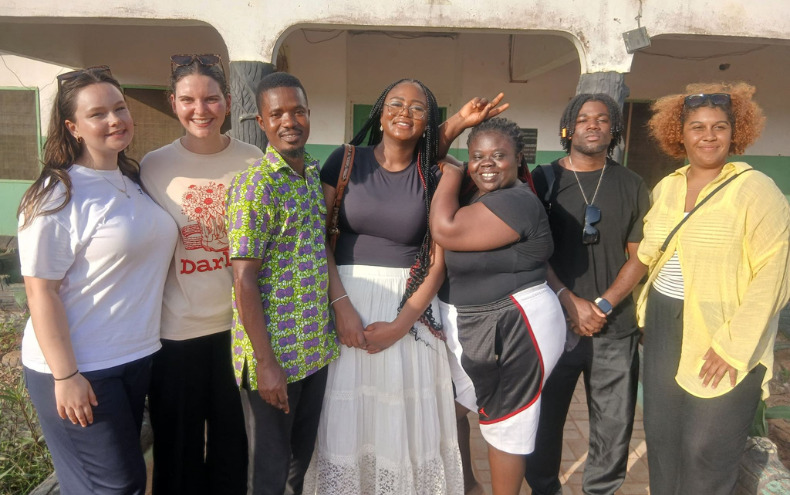
At the Foundation, I was mainly supported by Miss Monica, with additional support from Miss Ellen and Isaac when he was present. They helped us understand the children’s needs and supported us while we carried out activities and spent time with them. The most life-changing part was spending time at the Children’s Foundation. Seeing the children’s living conditions, their resilience and the way they continued to show happiness and ambition changed my perspective. It reminded me that children need more than basic care. They also need attention, encouragement and people who genuinely believe in them. That experience strengthened my desire to support vulnerable children and young people in the future. At the Foundation, I supported activities related to self-esteem, emotions, peer pressure, communication and wellbeing. These activities were directly connected to topics from my psychology degree, including mental health, child development, behaviour, communication and psychological support.
Mental Health Community Outreach
I also took part in community outreach work. We visited people in the community and helped share information about mental health, treatment and the importance of seeking support. These experiences helped me understand mental health work in hospitals, communities and with children.
I joined the community health outreach programme with Mr Alex, Miss Esther, who is a nurse, and the other volunteers. We visited a patient at home where the team reviewed the patient’s wellbeing, spoke with the family and discussed the support and medication being provided. It gave me a clearer view of the challenges some people face when accessing care, particularly the cost of treatment, difficulty obtaining medication and waiting too long before seeking professional help. I took part in a community mental health outreach visit with Mr Alex, Miss Esther and the other volunteers. We visited a patient at home to check on his wellbeing, speak with his family and understand the support he was receiving. What stood out most was being able to experience mental health work in different settings. I observed therapy sessions, spoke with patients under supervision, visited different psychiatric wards and learned how professionals assess and support people with different mental health needs.
Seeing both the clinical and community sides of mental health gave me a much clearer understanding of the field and confirmed my interest in becoming a clinical psychologist.
Exploring and Travelling In Ghana
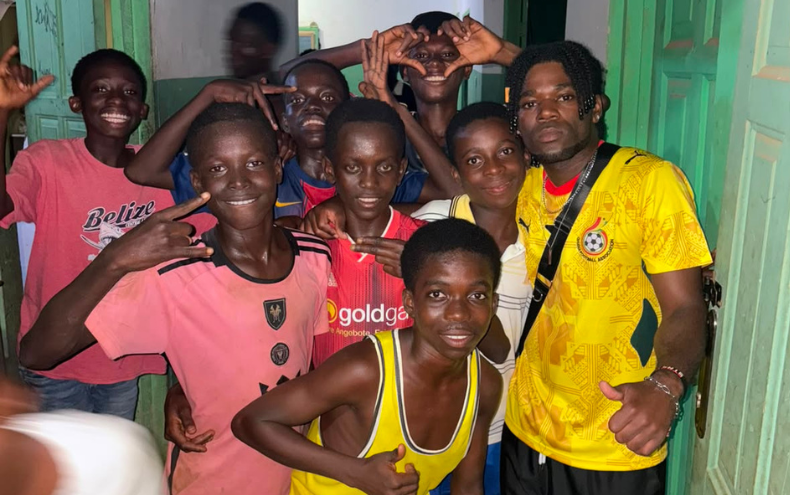
During my placement, I had the chance to explore different parts of Ghana and learn more about the country’s culture, history and daily life. I visited Fort Good Hope in Senya Beraku and Elmina Castle in Elmina, near Cape Coast, where I learned more about Ghana’s connection to the transatlantic slave trade. I also visited Kakum National Park, located north of Cape Coast, where I experienced the canopy walkway and explored the rainforest. I travelled by motorbike taxi, watched a football match with the local community and visited different areas around Senya Beraku and Cape Coast. These adventures allowed me to experience more of Ghana outside my placement and better understand the communities where I was volunteering.
I experienced Ghana’s beauty through its people, culture, history and natural surroundings. The warmth of the local people and the strong sense of community also made the experience special.
Most evenings, I relaxed at the accommodation and socialised with the other volunteers. We would talk, play games or spend time together after the placement. At weekends, we explored local areas and visited cultural, historical and natural attractions around Senya Beraku, and Cape Coast.
Advice for Future Volunteers
- I would advise future volunteers to stay open-minded, be flexible and avoid expecting everything to go exactly as planned.
- It is also helpful to bring comfortable and practical clothing
- Always speak to staff or other volunteers when support is needed.
- Taking time to connect with the local community can make the experience much more meaningful.
- I organised most of my trips with the other volunteers. We discussed where we wanted to go, planned transport together and shared the experience. Travelling as a group made the trips easier and more enjoyable.
- The most useful things I packed were practical, comfortable clothes suitable for the weather and the different placement settings. Comfortable footwear was also essential because some days involved a lot of walking and travelling between locations. Most importantly, future volunteers should not forget sunscreen and mosquito repellent, as both are needed regularly.
- I would advise future volunteers to be open-minded, patient and ready to adapt. Some days may not go exactly as planned, so it is important to be proactive and look for other ways to learn or help.
- Volunteers should also respect the local culture, ask questions and take time to build genuine relationships with the people they are supporting.
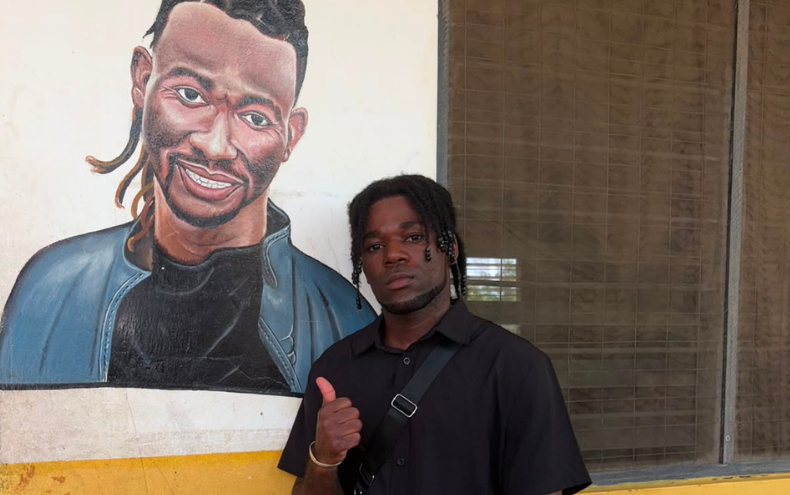
How Volunteering Abroad Helped His Future Career and Made a Difference
I believe the placement will support both my studies and my future career. It gave me practical experience that I did not have before and helped me connect psychological theory with real situations. Observing therapy sessions, discussing cases, learning how to complete a Mental State Examination and planning interventions helped me understand how mental health professionals work in practice. The placement also improved my communication, confidence, patience and ability to adapt to different people and settings. Working in hospitals, the community and with children gave me a broader understanding of mental health care and the importance of cultural awareness. This experience will strengthen my applications for future roles such as Assistant Psychologist, mental health support work and other clinical or community-based positions. It also confirmed my interest in clinical psychology and gave me a clearer idea of the skills and experience I still need to develop as I progress towards postgraduate study and a career in mental health.
I do feel that I made a positive contribution, especially at the Children’s Foundation. I spent time building trust with the children, supported them during activities and made an effort to include those who were quieter or needed more encouragement. I also contributed ideas and helped keep the children engaged.Even though my time there was limited, I believe the attention, support and encouragement I gave had a positive impact.
This programme offers valuable experience for students interested in psychology, mental health, child development or community work. It allows volunteers to learn in different settings and gain experience that is difficult to get from university study alone.